
Nickel-Clad Copper Round Wire
NCC round wire combines a copper core with nickel cladding. Specify diameter, layer construction and resistance for the connection or lead design. For high-temperature service, include the temperature profile, exposure time and insulation system.
Request Quote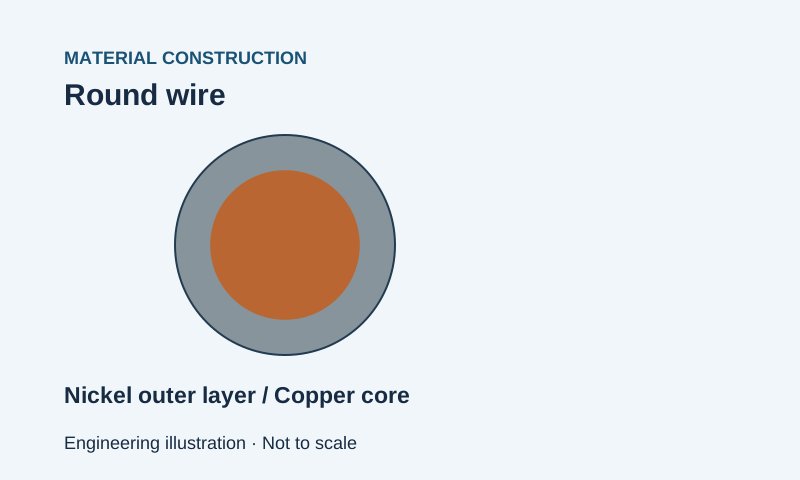
Construction and specification
- Material
- Nickel Clad Copper (Ni/Cu)
- Product form
- Round wire
- Dimensions
- Specify dimensions and tolerances on the drawing; confirm the available production range for this construction
- Electrical specification
- Specify copper grade, nickel layer basis and resistance test conditions
Specify diameter, nickel-layer construction and ratio basis, joining method, temperature profile and exposure medium. Agree the inspection and application tests before selecting a construction.
Specifications and Documentation
Identify the product form, standard and edition required by the drawing. A material standard does not establish approval for the finished assembly. Agree inspection methods, acceptance limits and required documents for the order.
ASTM B355-11(2024): nickel-coated soft/annealed round copper wire. Confirm construction, nickel mass class and required tests; the clad name alone does not establish compliance or exclusion. This reference is not certification.
View standards references · Review documentation requirements
Product questions
What defines the service-temperature limit?
The conductor construction, insulation and joint each have their own thermal limits. Specify temperature versus time, exposure medium and electrical/mechanical duty, then qualify the complete lead or connection.
How do clad and plated nickel surfaces differ?
A clad construction combines a nickel layer with the copper core; a plated construction deposits nickel on copper. Specify actual layer thickness, process, adhesion, resistance and environmental checks for the required wire.
Prepare your inquiry
- Bare conductor diameter, tolerance and finished diameter if coated or insulated
- Temper, required resistance and termination
- Core and outer-layer metals, each layer or ratio, and mass or volume basis
- Surface finish or coating, joining method and inspection requirements
- Quantity, spool or coil format, packaging and delivery destination