
Strip and Foil for Battery Connections
Start with the cell terminal and the joint you need to make. Specify the mating metals, welding method, current path and available space. Compare copper, nickel and nickel-clad copper constructions by joint strength, contact resistance and the conditions the finished connection will face.
On this page
Match the metal to the joint
Scroll horizontally to read all columns. Keep the conditions and units with each value.
| Candidate | Construction | Joint considerations |
|---|---|---|
| Copper strip or foil | Copper through the section | Required current-carrying section, surface finish and welding or soldering process |
| Nickel strip | Specified nickel grade through the section | Nickel surface and bulk material are the same; define resistance and weld requirements |
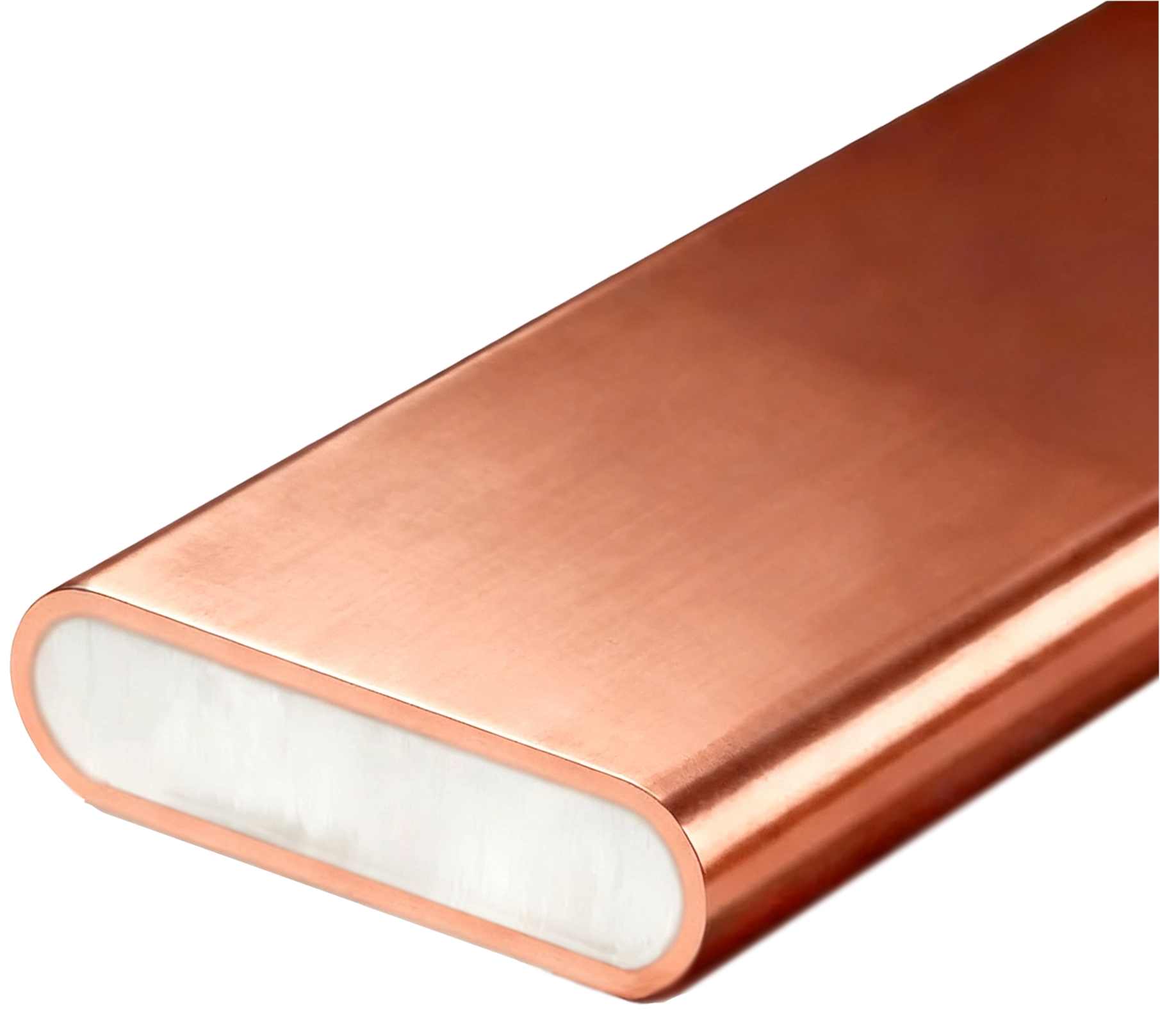
| Nickel-clad copper strip or foil | Copper core with a nickel outer layer | Specify the nickel layer separately from the conductive section and compare the finished weld |
Strip and foil support different thickness and forming requirements; use the part drawing to choose the form.
Record the connection trial
Record the welding window, joint strength, contact resistance and lot identity. Include electrolyte exposure only where the connection actually encounters it, together with other service media and temperature conditions.