
Nickel-Clad Copper Conductors
Nickel-clad copper combines a copper core with a nickel outer layer. Choose wire, strip or foil according to the part geometry, then specify electrical, surface and joining requirements. Temperature and corrosion limits belong to the chosen construction and service conditions.
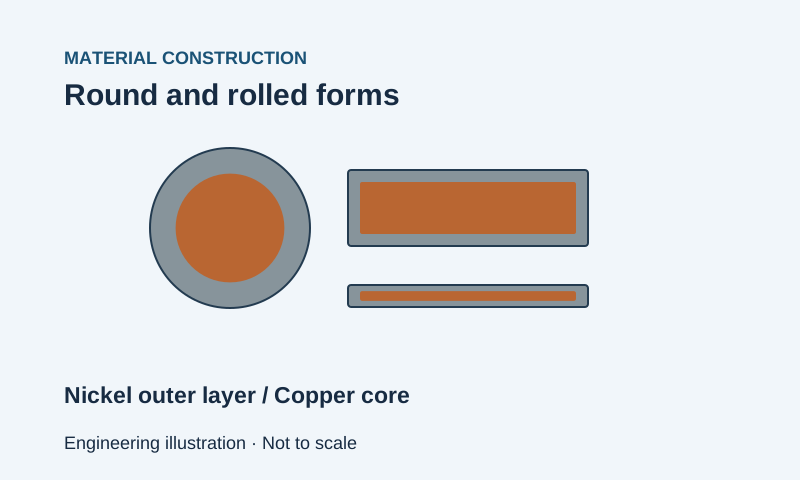
Choose a product form
Select the required form to review its dimensions and specification. Wire, strip and foil have separate requirements; a family name does not make their specifications interchangeable.
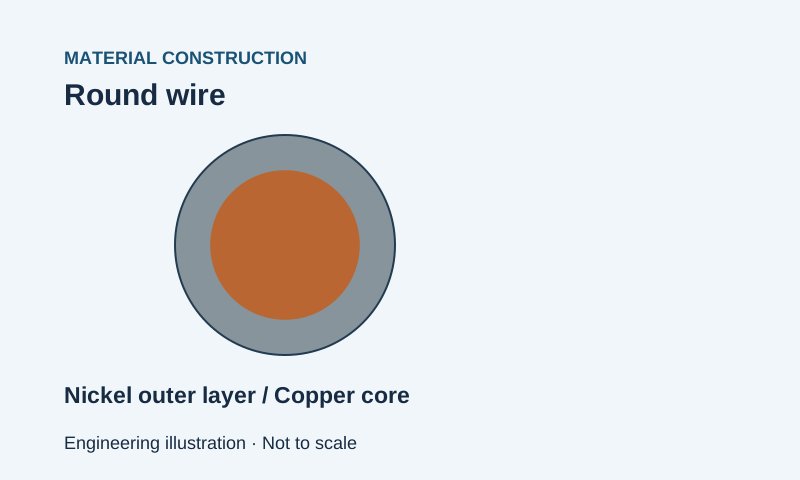
Engineering illustration · Not to scale
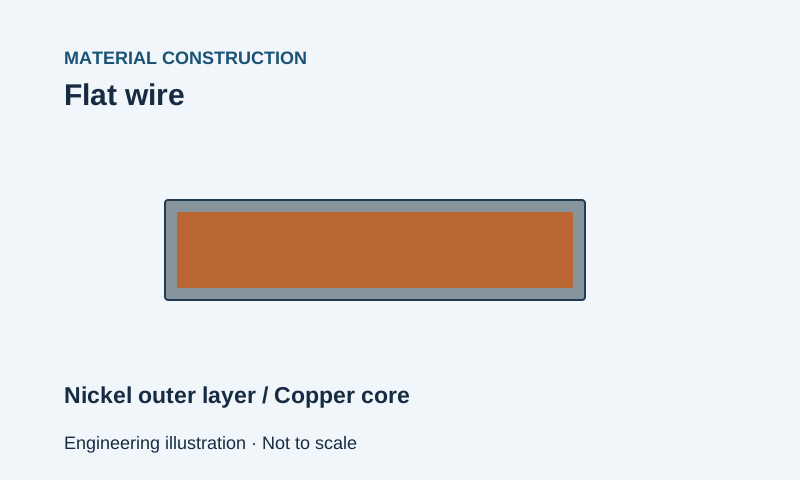
Engineering illustration · Not to scale
Nickel-Clad Copper Flat Wire
Nickel Clad Copper (Ni/Cu)
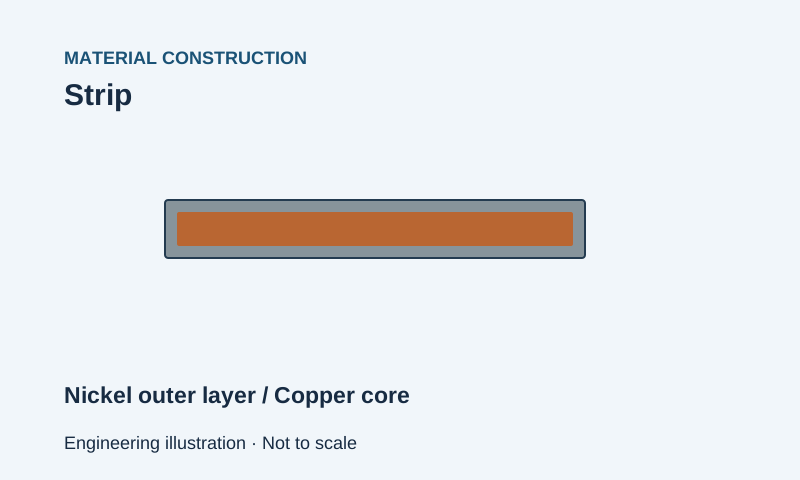
Engineering illustration · Not to scale
Nickel-Clad Copper Strip
Nickel Clad Copper (Ni/Cu)
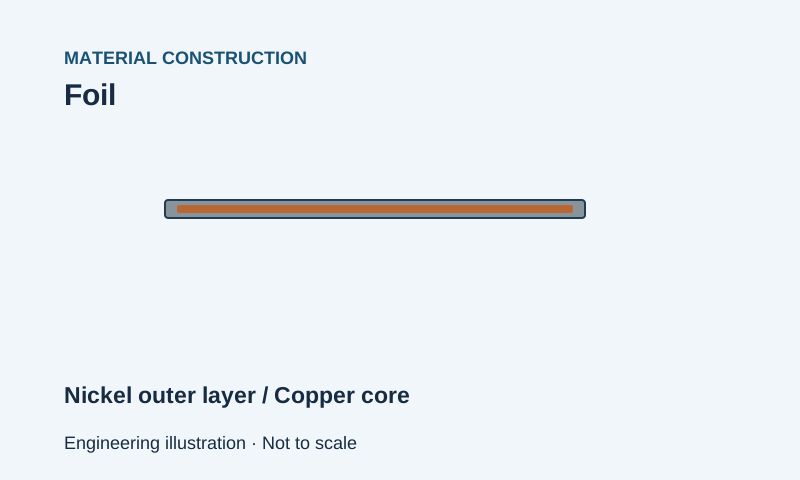
Engineering illustration · Not to scale
Nickel-Clad Copper Foil
Nickel Clad Copper (Ni/Cu)
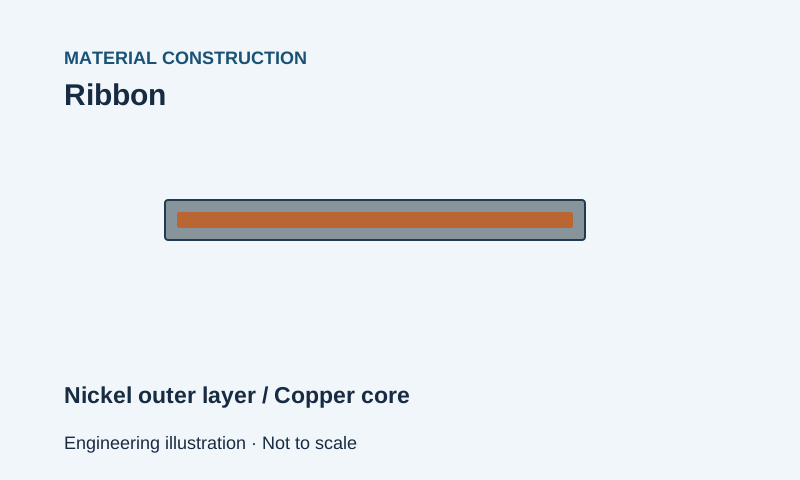
Engineering illustration · Not to scale
Nickel-Clad Copper Ribbon Wire
Nickel Clad Copper (Ni/Cu)
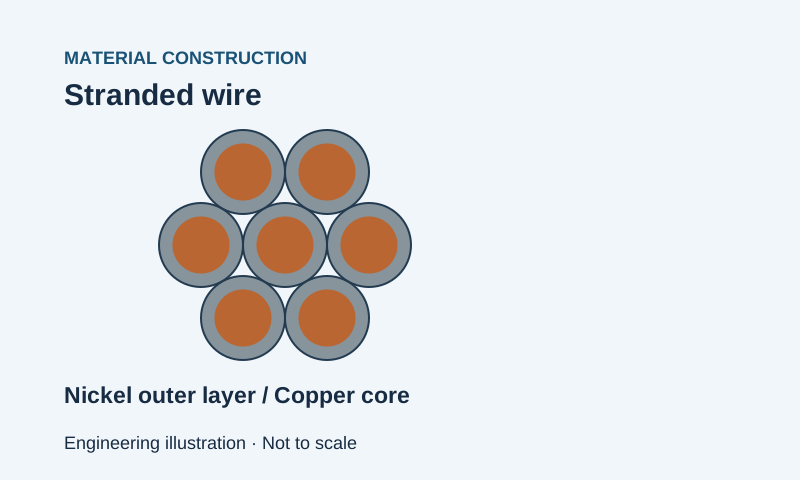
Engineering illustration · Not to scale
Nickel-Clad Copper Stranded Wire
Nickel Clad Copper (Ni/Cu)
Round wire, flat wire and other forms are assessed to the project specification. The drawing should define the nickel layer and state whether the ratio is measured by mass, area or thickness.
Clad NCC and nickel-plated copper have different constructions. A specification for one should not be assumed to cover the other.
There is no single service-temperature limit for every NCC construction. Temperature profile, exposure duration, atmosphere and joint design determine what needs to be tested. The same applies to corrosion and welding performance.
Send the drawing, intended use, joining method, operating conditions and quantity. Available forms, samples and test data are confirmed for the proposed construction.