RAYTRON Logo

Metallurgical Bond

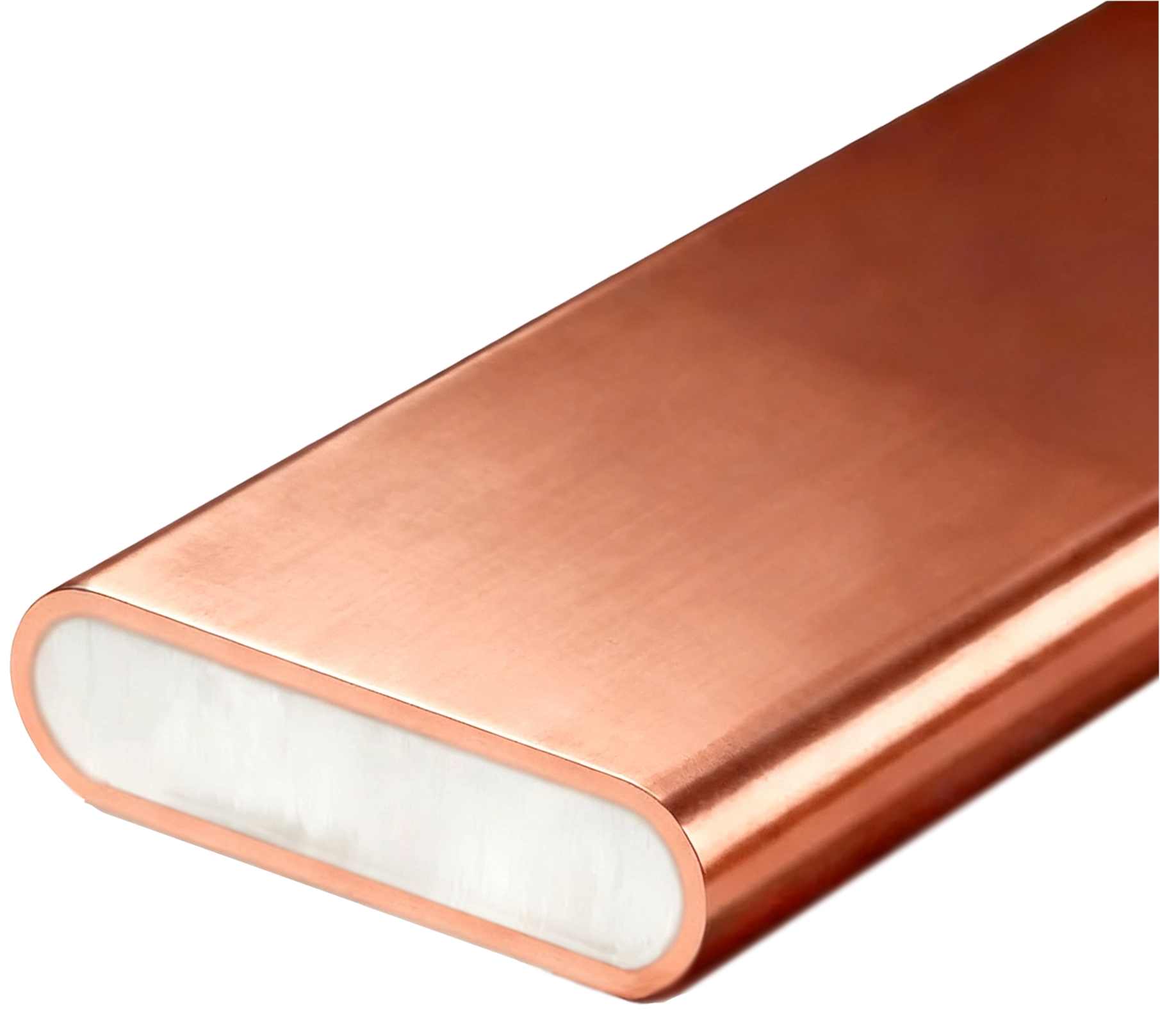
Our metallurgical bonding technology ensures a stable interface between different metals, verified by cross-section inspection.

Validation Capability

From Process Capability to Procurement Evidence

Raytron connects material selection, process control and inspection items to procurement specifications so engineering, quality and sourcing teams can align before RFQ.

Stage Key Checks Evidence Buyers Should Request
Interface structure
  • Clad layer continuity
  • Diffusion layer thickness and uniformity
  • Visible voids, inclusions or unbonded areas
  • Cross-section micrograph
  • Interface layer record
  • Lot quality report
Mechanical reliability
  • Interface condition after bending, tensile, rolling or drawing operations
  • Bond strength or peel behavior
  • Forming risk in customer process
  • Peel or bond-strength test
  • Bending or tensile record
  • Sample validation conclusion
Application boundary
  • Thermal cycling, corrosion environment and termination method
  • Mixed-metal contact conditions
  • Need for plating, isolation or post-treatment
  • Application test plan
  • Corrosion or thermal cycling requirement
  • Termination or welding validation record

Bonding Interface Characteristics

01

Metallurgical Integration

  • • Direct diffusion bonding between metal layers
  • • No intermediate adhesive or plating layers
  • • Continuous, void-free interface
02

Mechanical Properties

  • • Excellent peel strength and shear strength
  • • Superior fatigue resistance under cyclic loading
  • • Stable performance across temperature extremes
03

Quality Assurance

  • • 100% interface inspection using ultrasonic testing
  • • Statistical process control throughout production
  • • Certified bond strength for each production batch

Interface Comparison

Property Metallurgical Bond Electroplated
Bond Strength ≥ 60 MPa 5-15 MPa
Interface Continuity 100% Continuous Often discontinuous
Thermal Stability Excellent Poor - delaminates
Corrosion Resistance Excellent Moderate

Technology Deep Dive: Atomic Diffusion Mechanism

Unlike traditional processes that rely on surface roughness for mechanical interlocking, Raytron's metallurgical bond technology promotes the inter-diffusion of copper and aluminum atoms across the interface barrier by strictly controlling thermodynamic parameters during annealing. This diffusion creates a solid-solution transition layer with a composition gradient, effectively erasing the physical boundary.

Result: Reliable performance in the most demanding applications
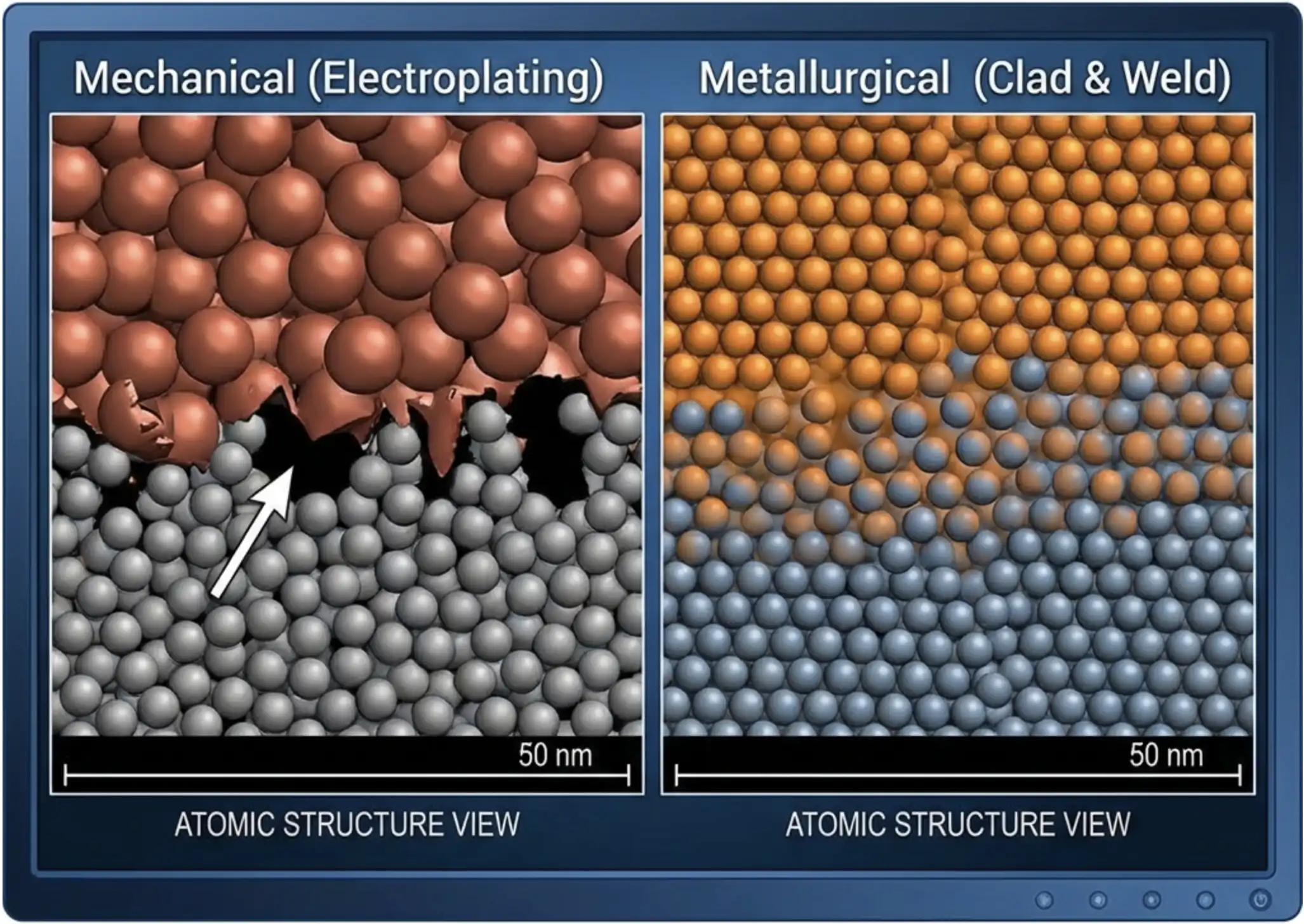
Microstructure Comparison

Metallurgical vs Mechanical Bond Microstructure

Simulated interface structure under high magnification
Mechanical Bond (Electroplating)

  • Micro-gaps at interface
  • Prone to galvanic corrosion
  • Peels easily due to thermal expansion mismatch

Metallurgical Bond (Clad & Weld)

  • Atomic inter-diffusion
  • Reduces interface contact risk, confirmed by product testing
  • Processes like a single metal

FAQ

Why is metallurgical bonding more reliable?
Mechanical bonding relies only on physical adhesion, which fails easily under bending or thermal stress. Metallurgical bonding creates a new alloy layer through atomic diffusion, "locking" the metals together as one integral unit, ensuring stable reliability.
Does brittle compound form at the interface?
By precisely controlling diffusion temperature and time, we optimize the interface layer thickness to prevent excessive brittle intermetallic compounds, ensuring sufficient bond strength while maintaining excellent ductility.

Products Utilizing This Technology

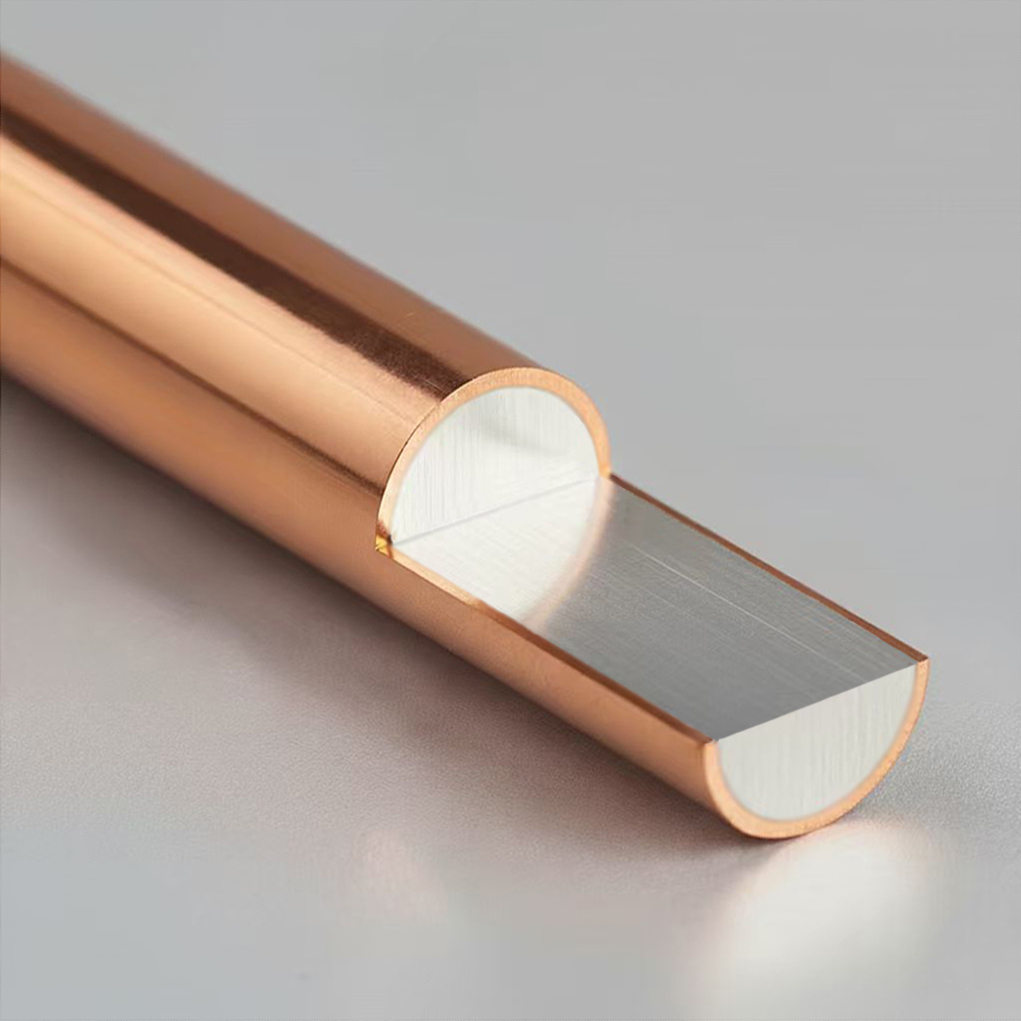
Copper Clad Aluminum Round Wire - 65% IACS conductivity, Copper Clad Aluminum (Cu/Al), for Cable & Conductor and Industrial Motors

Copper Clad Aluminum Round Wire

Copper Clad Aluminum (Cu/Al)

Conductivity: 65% IACS
View Details
Copper Clad Aluminum Flat Wire - 65% IACS conductivity, Copper Clad Aluminum (Cu/Al), for Industrial Motors and Photovoltaic Solar

Copper Clad Aluminum Flat Wire

Copper Clad Aluminum (Cu/Al)

Conductivity: 65% IACS
View Details
Copper Clad Aluminum Strip - 65% IACS conductivity, Copper Clad Aluminum (Cu/Al), for Battery & Energy Storage and Electronics Connectors

Copper Clad Aluminum Strip

Copper Clad Aluminum (Cu/Al)

Conductivity: 65% IACS
View Details

Contact Raytron Now - Let Every Meter of Material Create Higher Value for You

Raytron focuses on copper-aluminum composite PV ribbon and busbar ribbon, plus CCA, CCS and NCC clad conductors with custom specifications, sample support and production quotations.

13
Precision Rolling Lines

Rolling, slitting and dimensional control

15,000
Tons Annual Capacity

Supports samples, pilot lots and ongoing supply

28
Patents

Clad conductor, rolling and related processes

200 kg
MOQ

Suitable for engineering samples and trial orders

24h
RFQ Reply Within

Our team will respond to your inquiry within 24 hours.

ISO9001
Certified

Quality system and lot traceability support

RFQ Request Quote Response within 24h WhatsApp
Request Quote WhatsApp