
RAYTRON Logo
Automotive & EV
Applications

Automotive & EV

Lightweight, high-performance materials for automotive wiring harnesses and EV power systems.

Engineering Inquiry Standard
150°C Temp Rating
~12kg/car Wt. Savings

Industry Solution Path

EV conductor and connection material path

EV material selection should start from current load, weight target, joining method, thermal exposure and OEM qualification boundary.

Recommended Materials

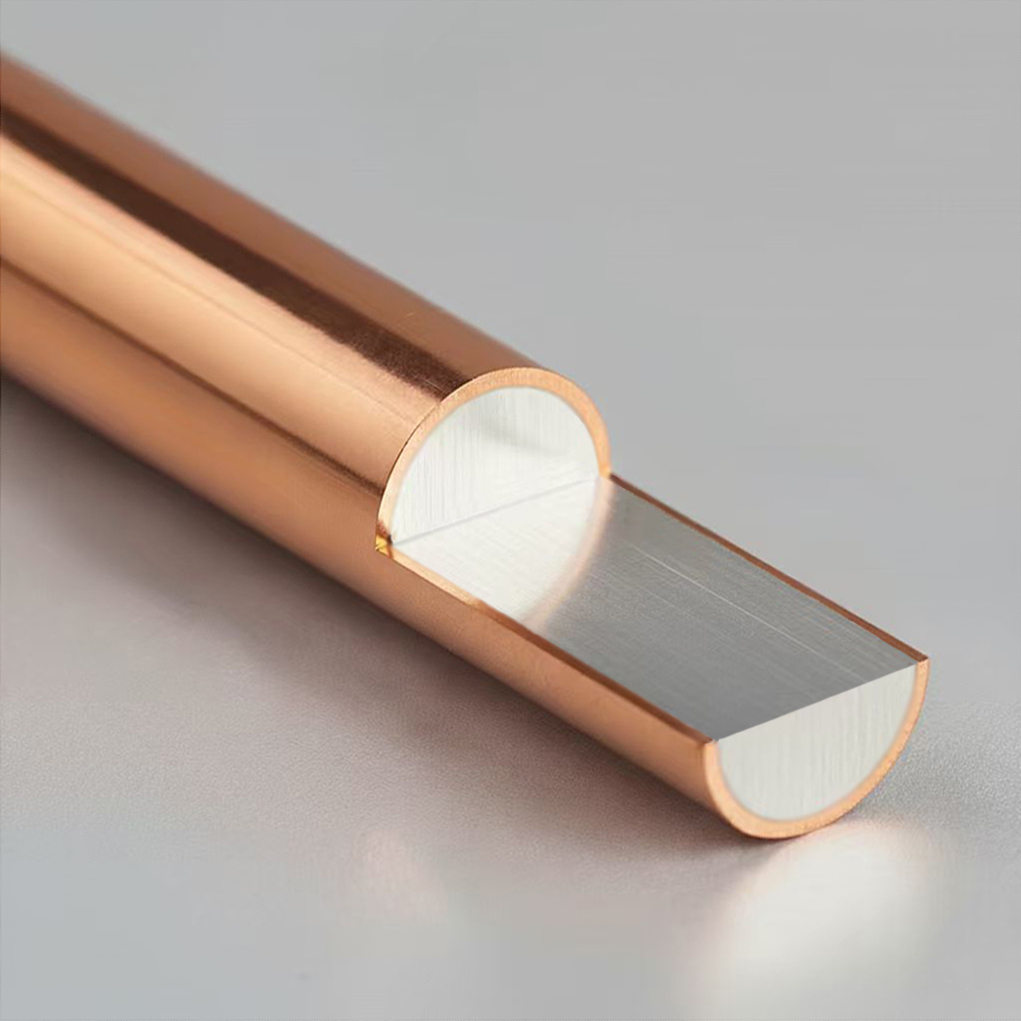
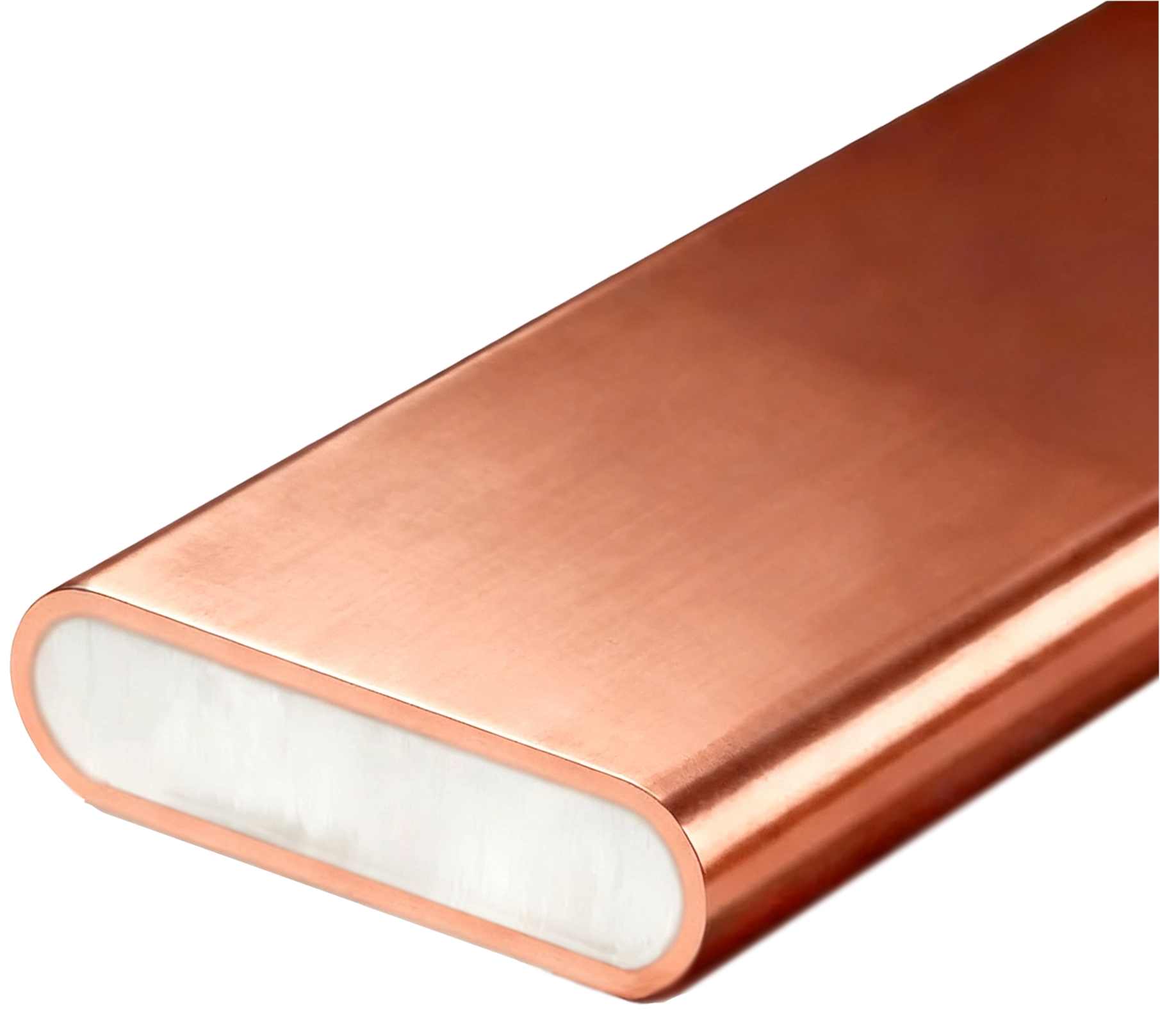
  • CCA round or flat wire for validated lightweight harness or winding projects
  • NCC strip or foil for battery connection and weldability evaluation
  • Copper strip and copper foil for busbar, terminal and current collector support
  • Flat wire where slot fill, bend radius and insulation route are defined

Selection Path

  1. 1 Classify the project as harness, winding, tab, busbar or sensor connection.
  2. 2 Select CCA, NCC, copper strip or flat wire by current, weight, welding and corrosion requirements.
  3. 3 Validate crimping, welding, insulation, thermal cycling and pull force.

RFQ Checklist

  • EV subsystem and drawing
  • Current, voltage drop and operating temperature
  • Joining method and acceptance test
  • Annual demand, PPAP or qualification timing
Validation Notes

  • CCA requires termination review before replacing copper in EV systems.
  • Battery connection uses should confirm weldability, surface and traceability.

Material Options

Recommended material comparison path

Material option Selection fit Validation requirement
CCA round or flat wire for validated lightweight harness or winding projects Classify the project as harness, winding, tab, busbar or sensor connection. CCA requires termination review before replacing copper in EV systems.
NCC strip or foil for battery connection and weldability evaluation Select CCA, NCC, copper strip or flat wire by current, weight, welding and corrosion requirements. Battery connection uses should confirm weldability, surface and traceability.
Copper strip and copper foil for busbar, terminal and current collector support Validate crimping, welding, insulation, thermal cycling and pull force. CCA requires termination review before replacing copper in EV systems.
Flat wire where slot fill, bend radius and insulation route are defined Classify the project as harness, winding, tab, busbar or sensor connection. Battery connection uses should confirm weldability, surface and traceability.

Common specification inputs

  • EV subsystem and drawing
  • Current, voltage drop and operating temperature
  • Joining method and acceptance test
  • Annual demand, PPAP or qualification timing
About Application

RAYTRON supports the automotive industry's transition to electric vehicles with advanced conductor materials. Our lightweight CCA wires and bimetallic strips help reduce vehicle weight while maintaining electrical performance. Automotive-grade applications require engineering validation and may require customer-specific certifications such as IATF 16949 — please confirm with our team before inquiry.

Technical Challenges

RISK

EV Range Anxiety

FIX

Solution Lightweight conductors reduce vehicle weight, extending driving range.

RISK

High Current Requirements

FIX

Solution High-conductivity materials handle EV power distribution demands.

RISK

Harsh Environment

FIX

Solution Corrosion-resistant materials withstand automotive operating conditions.

Frequently Asked Questions

Is CCA safe for automotive wiring?

Yes, CCA is safe and widely used in non-safety-critical automotive circuits like entertainment systems and body wiring. When terminated correctly using our recommended methods, it meets all automotive safety standards.

What are the main benefits for EVs?

The primary benefit is weight reduction. Reducing wiring harness weight directly contributes to extending the driving range of electric vehicles. It also reduces copper usage, which helps stabilize costs.

Do you meet OEM specifications?

RAYTRON materials are supplied to Tier 1 harness manufacturers. Automotive-grade applications may require customer-specific certifications such as IATF 16949 — please confirm certification availability with our team for your specific program.

Related Products

View Products
Copper Clad Aluminum Round Wire - 65% IACS conductivity, Copper Clad Aluminum (Cu/Al), for Cable & Conductor and Industrial Motors

Copper Clad Aluminum Round Wire

Copper Clad Aluminum (Cu/Al)

Conductivity: 65% IACS
View Details
Copper Clad Aluminum Flat Wire - 65% IACS conductivity, Copper Clad Aluminum (Cu/Al), for Industrial Motors and Photovoltaic Solar

Copper Clad Aluminum Flat Wire

Copper Clad Aluminum (Cu/Al)

Conductivity: 65% IACS
View Details
Copper Clad Aluminum Stranded Wire - 65% IACS conductivity, Copper Clad Aluminum (Cu/Al), for Cable & Conductor and Industrial Motors

Copper Clad Aluminum Stranded Wire

Copper Clad Aluminum (Cu/Al)

Conductivity: 65% IACS
View Details
Nickel Clad Copper Flat Wire - 90% IACS conductivity, Nickel Clad Copper (Ni/Cu), for Industrial Motors and Oil, Gas & Chemical

Nickel Clad Copper Flat Wire

Nickel Clad Copper (Ni/Cu)

Conductivity: 90% IACS
0.5-12 mm W 0.1-3 mm T
View Details

Contact Raytron Now - Let Every Meter of Material Create Higher Value for You

Raytron focuses on copper-aluminum composite PV ribbon and busbar ribbon, plus CCA, CCS and NCC clad conductors with custom specifications, sample support and production quotations.

13
Precision Rolling Lines

Rolling, slitting and dimensional control

15,000
Tons Annual Capacity

Supports samples, pilot lots and ongoing supply

28
Patents

Clad conductor, rolling and related processes

200 kg
MOQ

Suitable for engineering samples and trial orders

24h
RFQ Reply Within

Our team will respond to your inquiry within 24 hours.

ISO9001
Certified

Quality system and lot traceability support

RFQ Request Quote Response within 24h WhatsApp
Request Quote WhatsApp