
RAYTRON Logo
Electronics & Connectors
Applications

Electronics & Connectors

Precision materials for electronic components, connectors, and semiconductor packaging.

≥0.01mm Thickness
High RF Frequency
Mirror Finish Surface

Industry Solution Path

Electronics and connector material path

Electronics material selection should start from contact resistance, forming process, plating or cladding needs, solderability and component reliability tests.

Recommended Materials

  • Copper strip for terminals, stamped connectors and precision contacts
  • Copper foil for electronic shielding or thin conductive layers
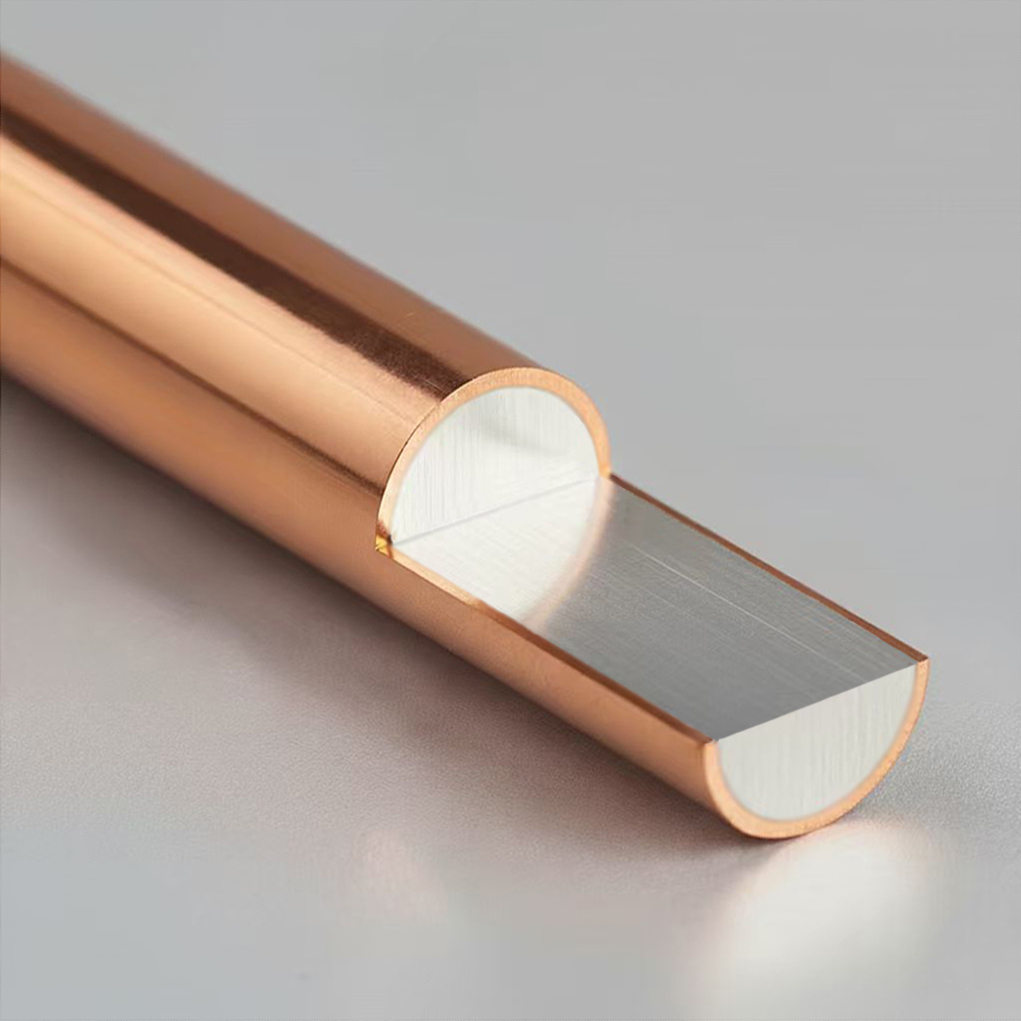
  • CCS or CCA for component leads or cost/strength-sensitive conductor paths after validation
  • NCC where nickel surface behavior and weldability are required

Selection Path

  1. 1 Identify terminal, lead frame, shielding, sensor or connector function.
  2. 2 Define thickness, width, temper, surface, edge and plating/cladding route.
  3. 3 Validate forming, soldering, contact resistance and reliability tests.

RFQ Checklist

  • Component function and drawing
  • Material, temper, surface and edge condition
  • Plating, cladding or solderability requirement
  • Inspection standard, packaging and annual demand
Validation Notes

  • Contact materials should be qualified by contact resistance and forming behavior.
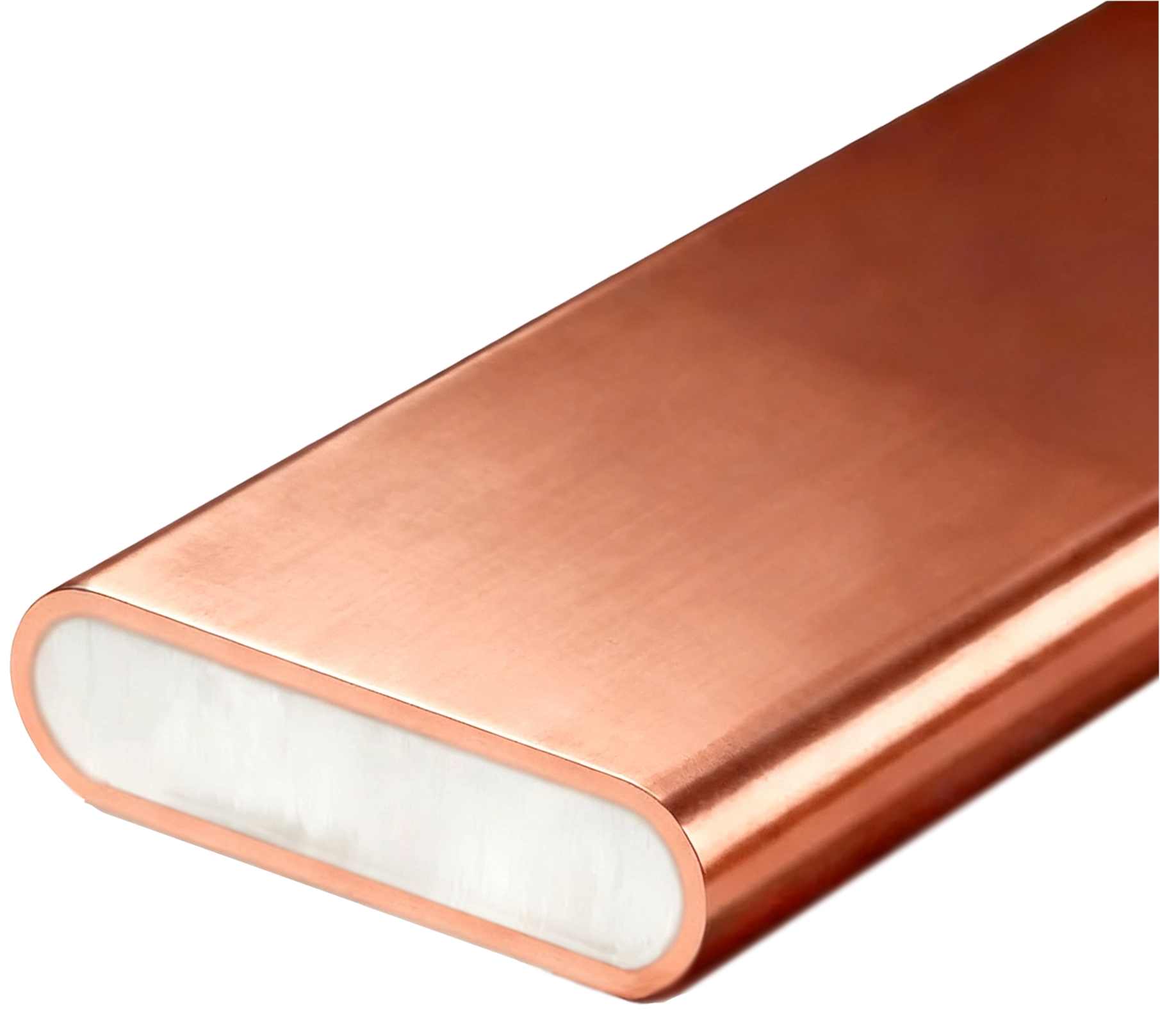
  • For clad materials, layer structure and bond quality matter as much as nominal chemistry.

Material Options

Recommended material comparison path

Material option Selection fit Validation requirement
Copper strip for terminals, stamped connectors and precision contacts Identify terminal, lead frame, shielding, sensor or connector function. Contact materials should be qualified by contact resistance and forming behavior.
Copper foil for electronic shielding or thin conductive layers Define thickness, width, temper, surface, edge and plating/cladding route. For clad materials, layer structure and bond quality matter as much as nominal chemistry.
CCS or CCA for component leads or cost/strength-sensitive conductor paths after validation Validate forming, soldering, contact resistance and reliability tests. Contact materials should be qualified by contact resistance and forming behavior.
NCC where nickel surface behavior and weldability are required Identify terminal, lead frame, shielding, sensor or connector function. For clad materials, layer structure and bond quality matter as much as nominal chemistry.

Common specification inputs

  • Component function and drawing
  • Material, temper, surface and edge condition
  • Plating, cladding or solderability requirement
  • Inspection standard, packaging and annual demand

About Application

RAYTRON provides ultra-precision materials for the electronics industry, where miniaturization and performance go hand in hand. Our thin foils, fine wires, and specialty ribbons enable the next generation of electronic devices, from consumer electronics to high-frequency communication equipment.

Technical Challenges

RISK

Size Constraints

FIX

Solution Ultra-fine materials enable smaller component footprints.

RISK

High-Frequency Performance

FIX

Solution Optimized conductivity and surface finish for RF applications.

RISK

Thermal Management

FIX

Solution High thermal conductivity materials dissipate heat effectively.

Frequently Asked Questions

What materials are best for high-frequency connectors?

Silver Clad Copper and high-purity copper alloys are ideal due to their low skin effect resistance, ensuring signal integrity at high frequencies (GHz range).

Can you produce ultra-thin foils for flexible circuits?

Yes, we supply rolled metal foils with thickness down to 0.01mm, optimized for flexibility and fatigue resistance in FPC applications.

How do you ensure signal integrity?

We control surface roughness and material purity rigorously. A smoother surface reduces signal loss due to skin effect, while high purity minimizes internal resistance.

Related Products

View Products
Copper Clad Aluminum Round Wire - 65% IACS conductivity, Copper Clad Aluminum (Cu/Al), for Cable & Conductor and Industrial Motors

Copper Clad Aluminum Round Wire

Copper Clad Aluminum (Cu/Al)

Conductivity: 65% IACS
View Details
Copper Clad Aluminum Ribbon Wire - 65% IACS conductivity, Copper Clad Aluminum (Cu/Al), for Electronics Connectors and Aerospace & Defense

Copper Clad Aluminum Ribbon Wire

Copper Clad Aluminum (Cu/Al)

Conductivity: 65% IACS
View Details
Copper Clad Aluminum Foil - 65% IACS conductivity, Copper Clad Aluminum (Cu/Al), for Electronics Connectors and Aerospace & Defense

Copper Clad Aluminum Foil

Copper Clad Aluminum (Cu/Al)

Conductivity: 65% IACS
View Details
Nickel Clad Copper Round Wire - 90% IACS conductivity, Nickel Clad Copper (Ni/Cu), for Oil, Gas & Chemical and Aerospace & Defense

Nickel Clad Copper Round Wire

Nickel Clad Copper (Ni/Cu)

Conductivity: 90% IACS
View Details

Contact Raytron Now - Let Every Meter of Material Create Higher Value for You

Raytron focuses on copper-aluminum composite PV ribbon and busbar ribbon, plus CCA, CCS and NCC clad conductors with custom specifications, sample support and production quotations.

13
Precision Rolling Lines

Rolling, slitting and dimensional control

15,000
Tons Annual Capacity

Supports samples, pilot lots and ongoing supply

28
Patents

Clad conductor, rolling and related processes

200 kg
MOQ

Suitable for engineering samples and trial orders

24h
RFQ Reply Within

Our team will respond to your inquiry within 24 hours.

ISO9001
Certified

Quality system and lot traceability support

RFQ Request Quote Response within 24h WhatsApp
Request Quote WhatsApp